
Define the geometry
Use drawings, local sections, weld marks and normal assembly photos to describe the actual part.
Structural steel manufacturing context
Honglu presents two structural steel welding robot directions for workpiece-led project evaluation and engineering discussion.
Factory context
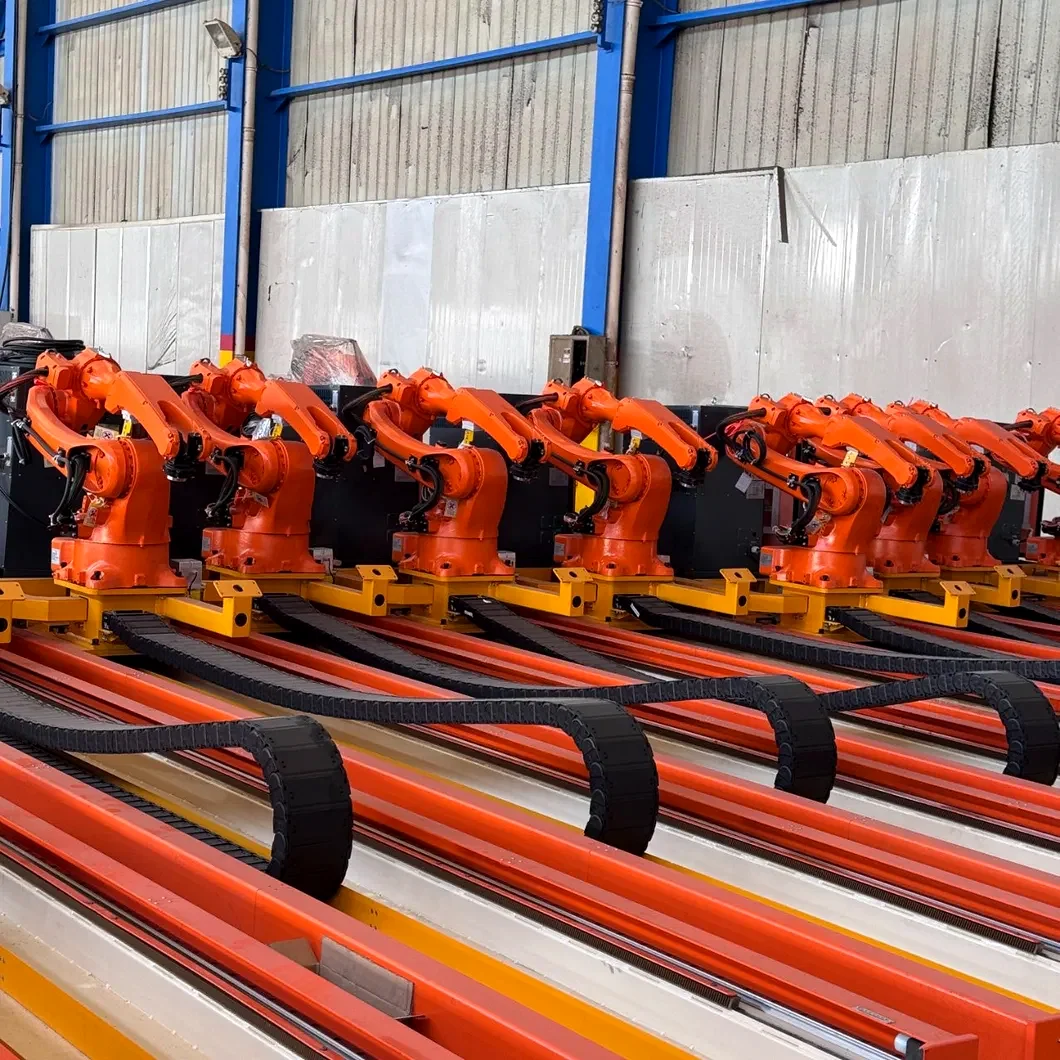
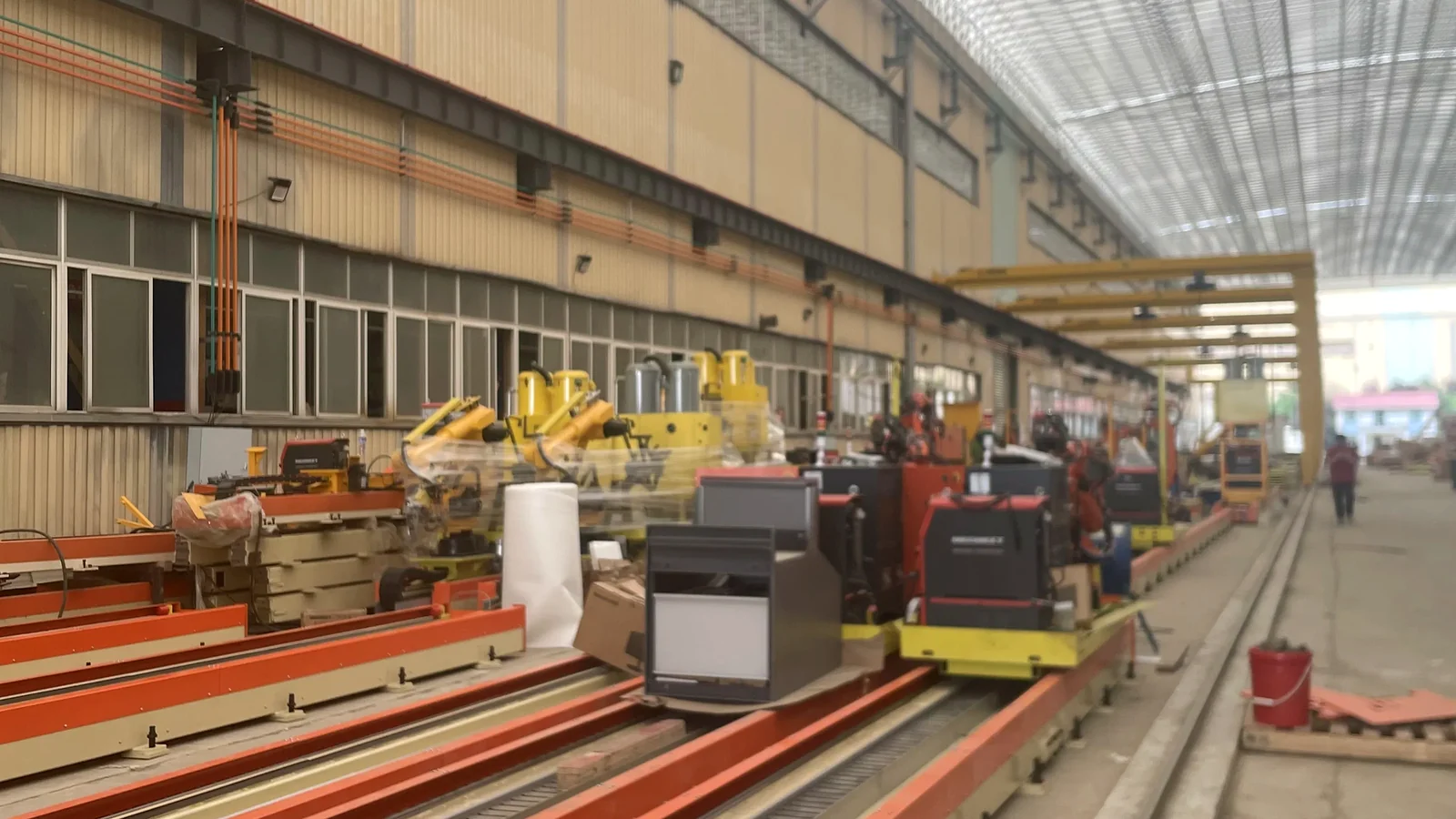
These Honglu factory views provide production context for rail-mounted welding systems. They do not establish a standard configuration or suitability for another project.
Manufacturing context
Structural steel fabrication combines changing geometry, joint details, welding positions, fixtures and production sequences.
A useful automation discussion starts with the workpiece rather than a general equipment label. Honglu uses a workpiece-led evaluation route to connect production requirements with a suitable robot and workflow discussion.
Representative drawings identify overall geometry, local details and weld locations. Photos of normal fit-up and restricted access areas add the physical context that may not appear in an ideal drawing. Production mix, loading method and site information help define a practical review.
Evaluation principle
Two components with similar names may have different stiffeners, attachments, joint preparation or access restrictions.
Use drawings, local sections, weld marks and normal assembly photos to describe the actual part.
Compare available models, sensing conditions or prepared recurring nodes without treating any route as universal.
Check torch access, collision risk, loading, site conditions and the data needed before quotation.
Product directions
A product direction identifies where to begin. It does not replace review of the submitted geometry, welds and layout.
Building steel direction
The main evaluation route for beams, columns, roof beams, crane beams and other relatively open structural steel workpieces documented for review.
View the 7-Axis RobotBridge and wide-planar direction
The engineering evaluation route for bridge steel, plate-unit diaphragms and other wide planar components within the documented application boundary.
View the 8-Axis RobotDomestic application context
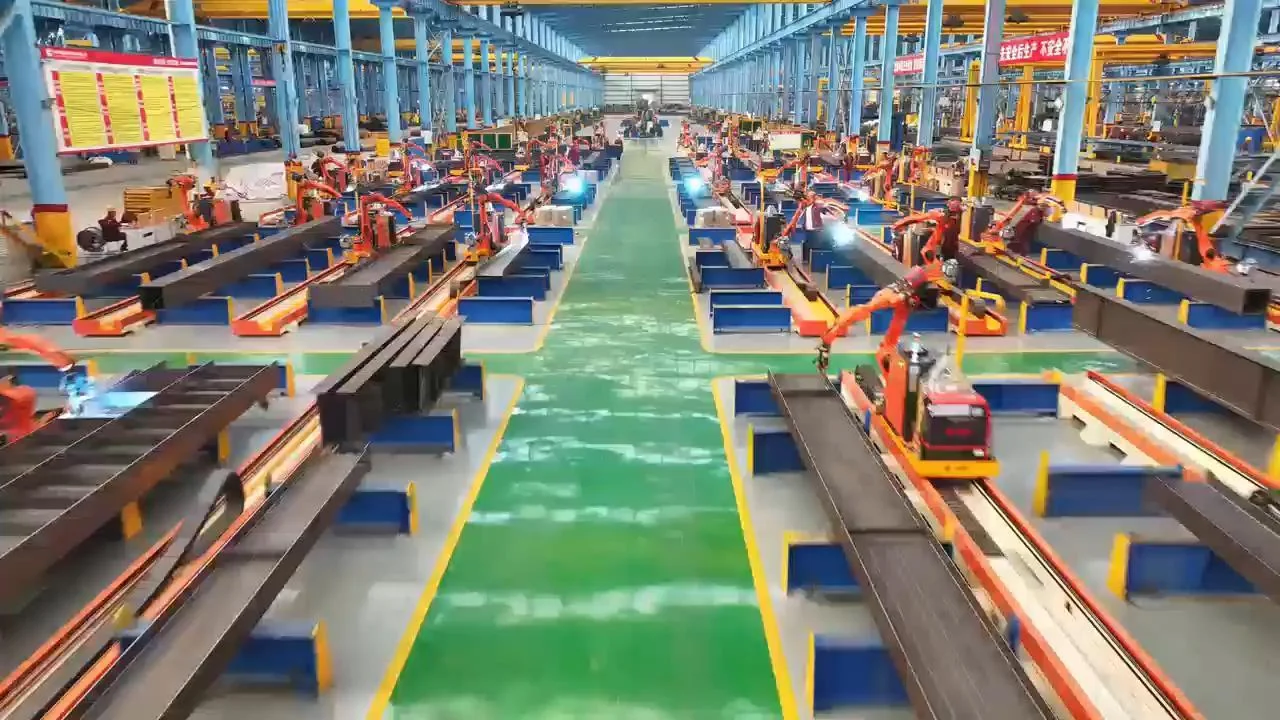
Honglu domestic production-base scenes provide internal application context for equipment, structural steel workpieces and factory operations.
A reviewed image can support what is visibly shown. It does not by itself confirm hidden component specifications, production results or suitability for another customer's part.
For a new inquiry, the customer's drawings and weld data remain the primary basis for evaluation.
Engineering review
A complete package is helpful, but an early discussion can begin with the most representative part and a clear explanation of what is not yet defined.
Project information sent to the website inquiry mailbox is routed to Honglu. Honglu’s engineering and commercial teams review the information to identify the product direction, missing inputs and questions that should be resolved before quotation. Configuration, service scope and commercial terms remain specific to the reviewed project.
Project evaluation
Send a representative drawing and weld information so Honglu can identify the appropriate product and workflow review route.
The website inquiry mailbox receives and routes your message. Your inquiry will be reviewed by Honglu’s engineering and commercial teams. Project scope and commitments are confirmed in reviewed project documents and quotations.