
Robotic Welding Suitability Checklist for Structural Steel
Use this checklist to prepare a first discussion about robotic welding. It does not replace a technical review, but it collects the information that review needs.
1. Component Family
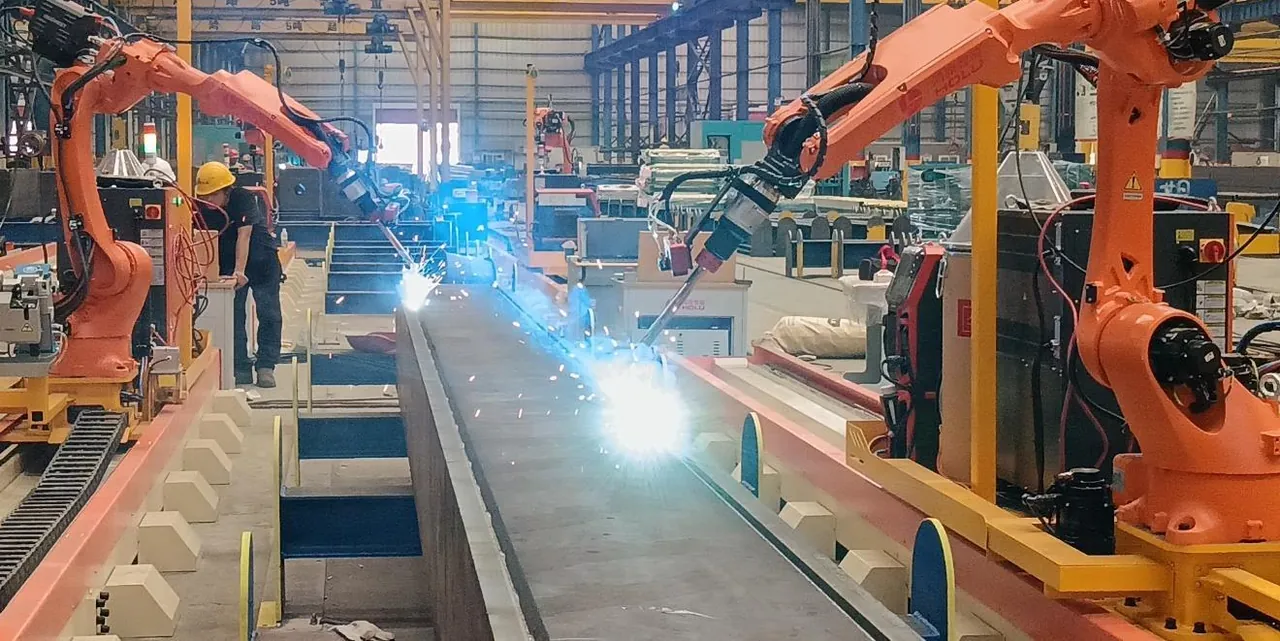
Which parts do you want to automate: H-section columns, roof beams, crane runway beams, bridge steel or plate-unit diaphragms? Start with one representative component and add examples where the geometry or welding requirements differ.
2. Weld Types and Positions
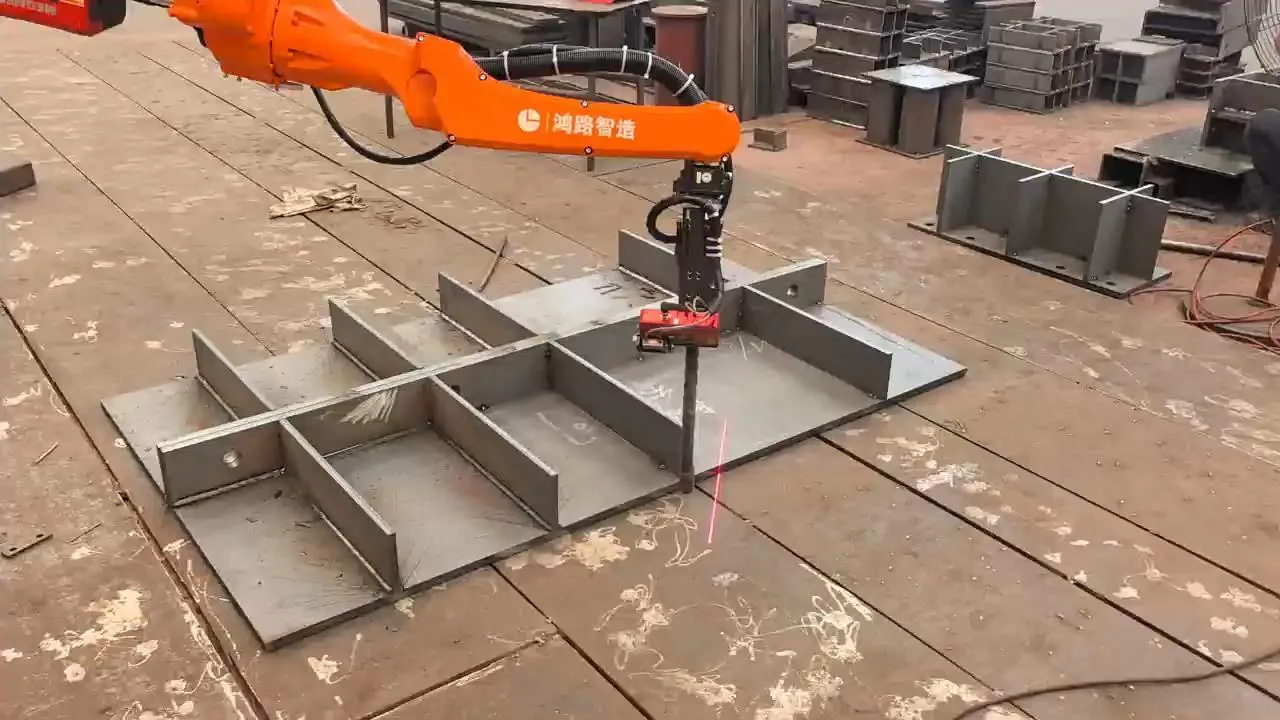
List the welds: straight, planar polyline or vertical fillet welds on beams and columns, or welds across a plate assembly on planar components. Note joint preparation, weld size and any penetration or inspection requirements.
Intermittent welding is currently limited to straight seams.
3. Torch Access
Mark joints that sit close to stiffeners, brackets, openings or enclosed details. These local areas usually decide whether a joint can be reached, more than the overall size of the part.
4. Fit-Up and Assembly
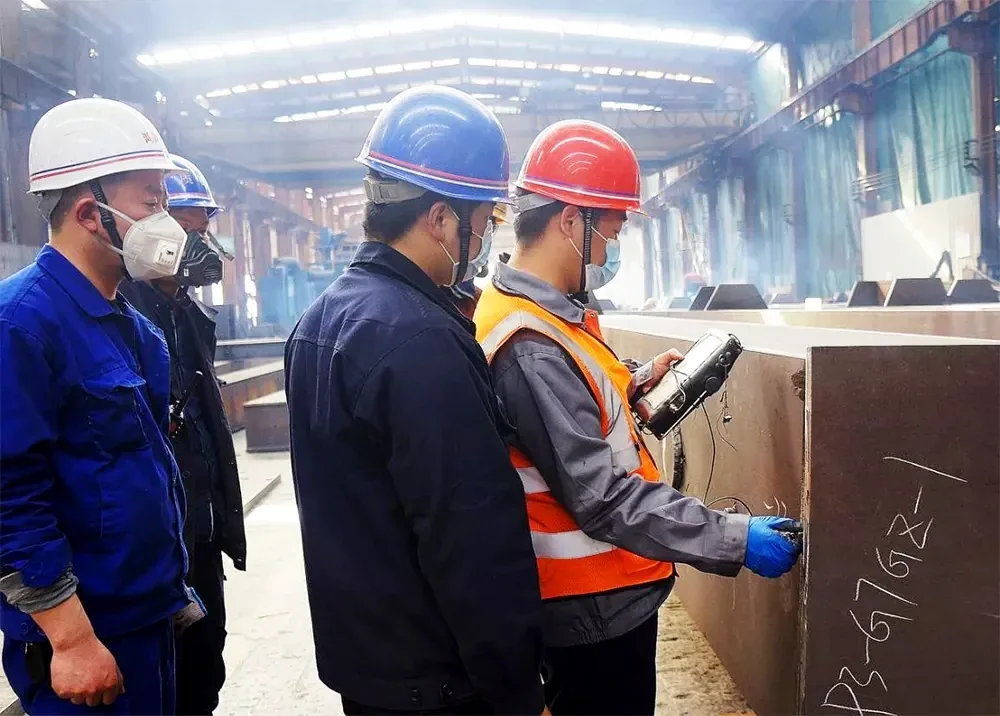
Describe how the part is assembled and tacked before welding, which fixtures stay in place and how consistent the assembly is between parts of the same family.
5. Available Data
Say whether you have a 3D model that matches the assembled part, drawings only, or recurring details that repeat across many parts.
6. Workshop Handling
Describe how parts arrive at the welding area, how they are supported or turned, and where they go next. Include the available floor area and utilities if known.
7. Project Location and Support
Give the workshop location and the languages needed for training and documentation. Installation, commissioning, training, spare parts and warranty terms are agreed as part of the proposal.
Project SupportRead the welding robot FAQMore welding robot guides
Send Your Checklist Answers
You do not need every answer to make contact. Send what you have with a photo or drawing of a representative part, and we will follow up on the rest.
Or email [email protected]